Westlands
Online Import & Export Cargo Cover
Best Online Marine Cargo Insurance in Kenya
Protect your goods from the supplier's warehouse through the entire insured transit to your destination warehouse. Cover can be arranged for goods transported by sea, air, road or rail — subject to the policy terms and conditions.
Warehouse-to-Warehouse Cover for Imports & Exports
Sea, Air, Road & Rail — Including Imported Cars
ICC A, B & C — Single Shipment or Annual Open Cover
Whether you are importing a container from China, a vehicle from Japan, machinery or equipment, exporting Kenyan products, or regularly moving commercial goods — Oakman Insurance Agency can help you arrange the appropriate Marine Cargo Insurance through the locally licensed digital framework.
What Is Marine Cargo Insurance?
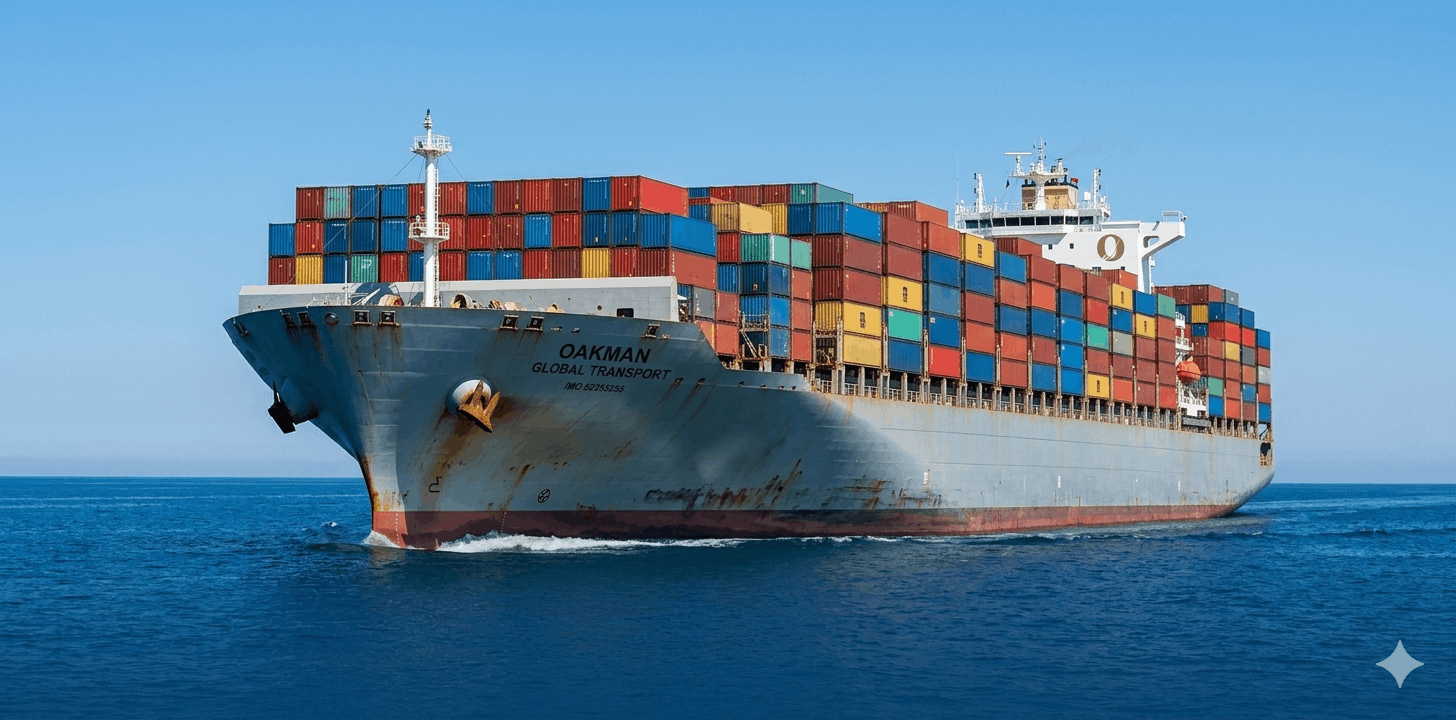
Cargo Protection ExplainedMarine Cargo Insurance protects goods against covered loss, destruction or damage while they are being transported from one location to another. Despite the name, it is not limited to sea freight — depending on the policy, cargo can be insured while moving by sea, air, road, rail, or combined/multimodal transportation.
Supplier Warehouse
→
Port / Origin
→
Sea / Air / Road / Rail
→
Mombasa / Entry
→
Inland Transit
→
Destination Warehouse
Digital Marine Cargo Insurance in Kenya
Kenya's regulatory framework provides for Digital Marine Cargo Insurance for imported cargo and a digital certification process connected to applicable regulatory and customs systems. Imported cargo should be insured through the appropriate locally licensed insurance framework so the required certificate is available for customs clearance.
Marine Cargo Insurance for Imports, Exports & Vehicles
Trade Cover OptionsImports into Kenya
Your cargo may be damaged during loading, affected by water, lost in transit, damaged in an accident, stolen, or affected by other insured events before it reaches your premises.
General Merchandise
Electronics
Machinery & Equipment
Spare Parts
Motor Vehicles
Raw Materials
Building Materials
Pharmaceuticals
Containerised Cargo
Project Cargo
Exports from Kenya
Relevant to Kenyan businesses exporting by sea, air, road or rail depending on destination and supply chain.
Tea & Coffee
Flowers & Horticulture
Fresh Produce
Processed Food
Manufactured Products
Machinery
Textiles
Agricultural Products
Marine Cargo Insurance for Imported Cars
Vehicles are exposed to risks from the country of purchase through shipping and onward transportation. Typical journey: Japan / UK / Dubai → Port of departure → Sea transit → Mombasa → Inland transit → Destination.
Private Vehicle Imports
Commercial Vehicles
Trucks & Buses
Construction Equipment
Agricultural Machinery
What Does Marine Cargo Insurance Cover?
Insured Risks & ClausesActual protection depends on the Institute Cargo Clause or other policy wording selected. Depending on the cover, Marine Cargo Insurance may protect against:
Fire & Explosion
Theft & Pilferage (where covered)
Accidental Physical Damage
Collision
Sinking, Stranding or Capsizing
Overturning / Derailment
Water Damage (where covered)
Jettison
General Average
Loading / Unloading Risks
Transshipment
Incidental Temporary Storage
ICC A – Broadest Cover
Generally provides the broadest of the three standard Institute Cargo Clauses, subject to exclusions and conditions. Commonly considered where broader protection is required.
ICC B – Named Perils
Narrower than ICC A. Responds to specified named perils listed in the applicable policy wording.
ICC C – Basic Cover
More limited protection against specified major transit perils. Generally less protection than ICC A and ICC B.
Warehouse-to-Warehouse Cover
Cover can be arranged on a port-to-port, door-to-door or warehouse-to-warehouse basis. Warehouse-to-warehouse cover can follow insured goods from the specified supplier or origin warehouse through the insured transit to the specified destination warehouse — subject to policy terms, conditions and any applicable time or storage limitations. The cheapest cover is not necessarily the most suitable cover.
War, Strikes & Civil Commotion
Standard cargo cover does not automatically insure every political or conflict-related risk. Additional cover may be available for war, strikes, riots and civil commotion, subject to wording, geographical limits and exclusions.
What Is Not Normally Covered?
Ordinary Wear & Tear
Inherent Vice
Inadequate Packaging
Loss from Delay Alone
Wilful Misconduct
Ordinary Leakage / Evaporation
Consequential Losses
Single Shipment, Open Cover, Project & Special Cargo
Policy StructuresSingle Shipment
Ideal for occasional imports/exports, vehicle imports, high-value shipments, machinery, project equipment and special consignments.
Annual Open Cover
A standing arrangement for regular importers, manufacturers, wholesalers, distributors, exporters and trading companies. Eligible shipments are declared during the policy period.
Stock Throughput
For complex supply chains — cover across origin, transit, port, inland transportation, warehouse and distribution, subject to the policy.
Project Cargo
Factory equipment, power-generation plant, construction and industrial machinery, oversized and engineering equipment often need detailed underwriting of dimensions, weight, packaging, route and handling.
Perishable Goods
Fresh produce, flowers, food and pharmaceuticals need cover specifically structured for the goods. Temperature variation, deterioration and delay should not be assumed covered automatically.
High-Value Cargo
Precious metals, gemstones, electronics, fine art and specialised equipment may require special underwriting, security, packaging and route controls.
How to Buy Marine Cargo Insurance Online in Kenya
Quote & Issuance1. Send Shipment Details
Share your goods description, origin, destination, value and transport mode with Oakman.
2. We Review the Risk
We assess cargo, value, route, transportation method and required cover.
3. Quotation Arranged
We arrange the appropriate quotation with a licensed insurer.
4. Confirm & Pay
You confirm the cover and complete the payment/issuance process.
5. Certificate Issued
Applicable Marine Cargo Insurance documentation is issued digitally where required.
6. Keep Documents Safe
Retain the certificate, policy and shipment documents for clearance and claims.
What We Need to Quote
Commercial Invoice
Bill of Lading / Air Waybill
Packing List
IDF (where applicable)
Description of Goods
Origin & Destination
Shipment Value
Mode of Transport
What Affects the Premium?
There is no single premium for every shipment. Cost depends on goods value and nature, origin, destination, route, mode of transport, packaging, selected clause, extensions, war/strike requirements and other underwriting factors. Indicative rates are not a universal tariff — provide shipment details for an accurate quotation.
Marine Cargo Certificate, Carrier Liability & Letters of Credit
A Marine Cargo Insurance Certificate evidences that specified cargo has been insured (insured party, goods, sum insured, voyage, conveyance, clauses and dates). Carrier liability is not the same as your own cargo policy and may be limited. If your bank's Letter of Credit has insurance requirements, share them when requesting a quotation.
Mombasa, Air Freight, Inland Transit & Claims
Transit & Claims GuideMombasa Imports
Goods may pass through vessel transport, port handling, customs, release, trucking, inland transit and the final warehouse. Structure the policy for both international and inland legs where needed.
Air Freight
Relevant for electronics, pharmaceuticals, spare parts, high-value goods, perishables and urgent commercial shipments.
Road & Inland Transit
Examples: Mombasa to Nairobi, Nairobi to other counties, and East Africa cross-border movements. Inland transit can be incorporated into the cargo structure.
Marine Insurance vs Goods in Transit
Marine Cargo Insurance is commonly associated with international or multimodal cargo. Goods in Transit Insurance generally focuses on road or other inland transportation. A business may need one or both depending on its supply chain.
If Your Cargo Is Damaged
Notify Oakman / Insurer Immediately
Notify Carrier Where Appropriate
Take Photos & Videos
Preserve Damaged Goods & Packaging
Keep Shipping Documents
Obtain Survey Report
Submit Claim Documents
Do not dispose of or repair damaged goods before assessment unless necessary to prevent further damage.
Documents That May Be Required
Marine Certificate
Commercial Invoice
Packing List
Bill of Lading / AWB
Delivery / Consignment Note
Survey Report
Photos of Damage
Claim Form
Customs Documents
Frequently Asked Questions About Marine Cargo Insurance in Kenya
Cargo Insurance FAQIs Marine Cargo Insurance mandatory in Kenya?
Kenya's current regulatory framework provides for Marine Cargo Insurance for imported cargo through the applicable local licensed insurance and digital certification framework.
Can I buy Marine Cargo Insurance online?
Yes. Marine Cargo Insurance can be arranged through online and digital processes, subject to the insurer or intermediary's requirements.
Does Marine Insurance only cover goods by sea?
No. Depending on the policy, cargo can be insured while transported by sea, air, road or rail.
Does it cover goods from China and imported cars?
Eligible imports — including vehicle imports — can be insured subject to underwriting, policy terms and applicable regulatory requirements.
What is ICC A, B and C?
ICC A is the broadest standard clause. ICC B covers specified named perils. ICC C provides more limited protection against specified major perils. Oakman can help you choose based on goods, route and value.
Can I insure one shipment or get annual cover?
Yes. Single-shipment cover suits occasional cargo. An Annual Open Cover may suit businesses making regular shipments.
Does it cover theft, loading damage and inland transit?
It depends on the selected clause and terms. Inland transit from Mombasa to Nairobi can be included where arranged in the policy. Theft and loading risks should be confirmed in the wording.
Does Marine Cargo Insurance cover delays?
Ordinary delay and losses arising solely from delay are generally excluded under standard cargo clauses unless a specific extension applies.
Does the carrier's insurance protect my goods?
Carrier liability is not the same as your own Marine Cargo Insurance and may be limited. Your own cargo policy protects your insurable interest according to its terms.
How much does Marine Cargo Insurance cost?
Premium depends on the value and nature of the goods, route, destination, mode of transport, selected cover and other underwriting factors.
Get the Best Online Marine Cargo Insurance Quote in Kenya
Oakman Insurance AgencyWhether you are importing one vehicle, bringing in a container from China, importing machinery, moving commercial stock, exporting agricultural products or managing regular international shipments — the right Marine Cargo Insurance can protect your business from potentially significant financial loss.
Why Choose Oakman Insurance Agency?
Contact Oakman Insurance Agency — send us your shipment details and let us help you arrange the appropriate cover.