

Both cars have third-party insurance after a crash — who pays for repairs? This guide explains liability, how to claim against the at-fault driver’s insurer, passenger injury claims, documents and when court action may be needed.
Quick answer: Your own third-party policy does not repair your vehicle. If another driver is responsible, you can pursue them — and, where their policy includes third-party property damage cover, their insurer. Compulsory Cap. 405 cover focuses on injury/death liability; property damage depends on the actual policy wording and limits. Product overview: third-party car insurance.
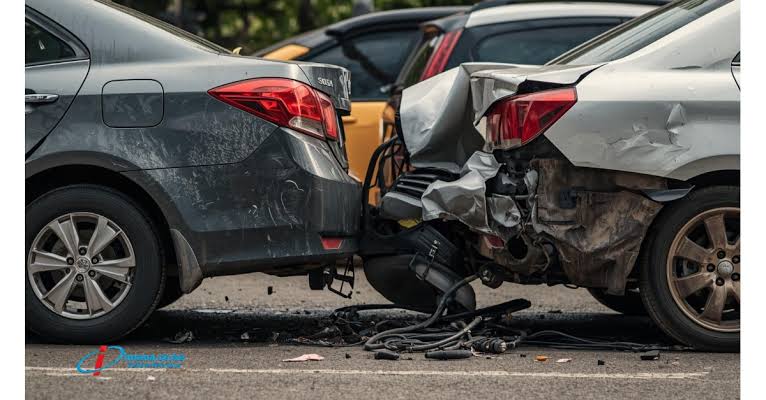
Need help with a third-party accident claim?
Oakman can guide you on reporting, documents and next steps after an accident.
1. Understanding third-party motor insurance in Kenya
Third-party motor insurance is the minimum compulsory cover for vehicles on Kenyan roads (subject to statutory exceptions). If you cause an accident and injure someone or damage their property, your insurer may respond to covered liability — subject to law and policy terms.
It does not normally pay for repairs to your own vehicle, theft or fire damage to your car. Cap. 405 principally addresses death or bodily injury liability. Cover for damage to another vehicle or property must be checked against the policy’s third-party property damage extension, limits and exclusions. More on prices: third-party cost guide (if published) and product page.
2. When two third-party vehicles collide
Example: Vehicle A (Toyota Fielder, Insurer A) is hit by Vehicle B (Nissan Note, Insurer B) after an unsafe turn. Investigations establish B caused the accident.
- Vehicle A (innocent): Own insurer will not ordinarily repair A. Owner pursues the responsible driver and, where applicable, B’s insurer for covered property damage.
- Vehicle B (at fault): Insurer may handle covered third-party liabilities from A. B’s own repairs are generally paid by B’s owner under TPO.
Neither vehicle automatically gets own-damage compensation under third-party-only insurance.
Possible outcomes
One driver fully responsible
Innocent owner pursues at-fault party / their insurer. At-fault owner meets own repairs under TPO.
Shared responsibility
Liability may be apportioned (e.g. 30%/70%). Compensation follows the evidence — not assumed simply because both were involved.
Disputed liability
Both insurers may investigate. A police abstract helps but is not a final civil judgment. Settlement or court may follow.
No valid insurance on at-fault vehicle
Pursue driver/owner personally. With comprehensive cover, you may claim own-damage and the insurer may subrogate.
3. If passengers are injured
Vehicle damage and bodily injury are separate claims. An injured passenger may pursue the driver(s) legally responsible — not automatically only the insurer of the vehicle they occupied. Seek medical attention first; keep treatment records, police abstract, receipts and witness details. Do not sign a full-and-final discharge before understanding it. Serious or fatal cases need prompt legal advice.
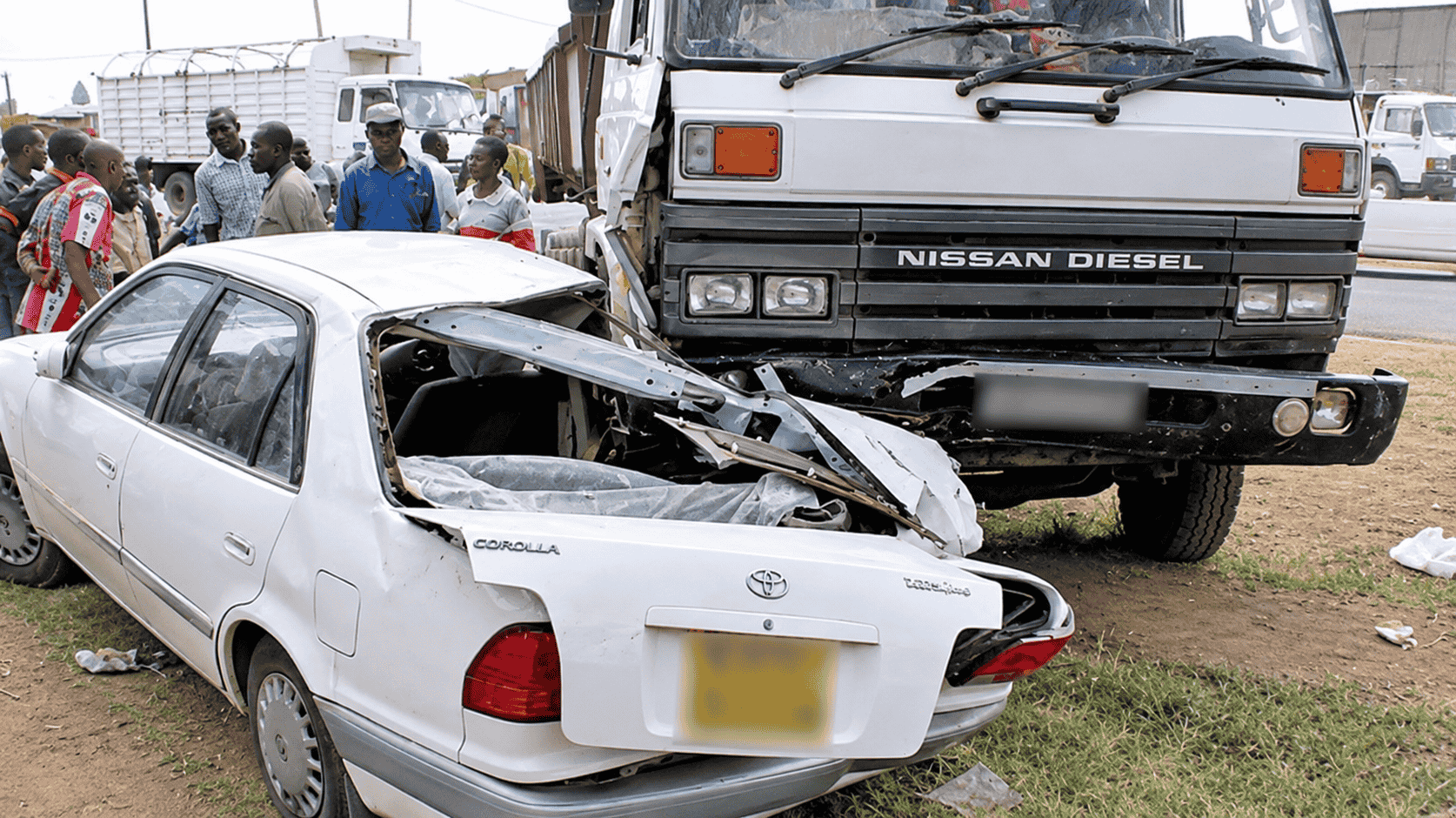
4. If you are not at fault (and have third-party only)
- Ensure safety and call emergency services if needed.
- Record photos, registration numbers, damage, road layout and witness contacts.
- Report to police; obtain OB reference and abstract.
- Notify your insurer/agent even though TPO will not repair your car.
- Arrange a motor assessor’s report before major repairs.
- Establish the other vehicle’s insurer and whether TPPD applies.
- Submit a formal demand with supporting documents.
Stuck after an accident?
Message Oakman with the police OB number and other driver’s details if you have them.
5. How compensation usually works
Out of court: demand → insurer review → liability considered → assessment examined → negotiate → discharge and payment.
Court: if liability or quantum is disputed, an advocate may file a civil claim. Winning a case does not mean every insurer automatically pays every award — policy, statutory obligations and limits still matter.
If an insurer offers less than the assessor’s estimate, ask why (parts, betterment, disputed damage, limits, apportionment) before accepting.
6. Documents commonly required
| Document | Why it helps |
|---|---|
| Police abstract / OB | Records reported accident details |
| Logbook & national ID | Ownership and claimant identity |
| Driving licence & insurance certificate | Driver and cover details |
| Photos & assessor’s report | Extent and cost of damage |
| Repair quotes / invoices | Supports amount claimed |
| Demand letter | Formal claim communication |
7. Third-party vs comprehensive when you are not at fault
| Issue | Third-party only | Comprehensive |
|---|---|---|
| Own vehicle repairs | Not covered | Covered subject to terms & excess |
| Claim against at-fault party | Yes | Yes (or insurer subrogates after paying) |
| Need to prove negligence | Important for recovery | Important for recovery; own-damage assessed under policy |
Comprehensive often gives a more direct route to repairs. See comprehensive motor insurance Kenya and private motor.
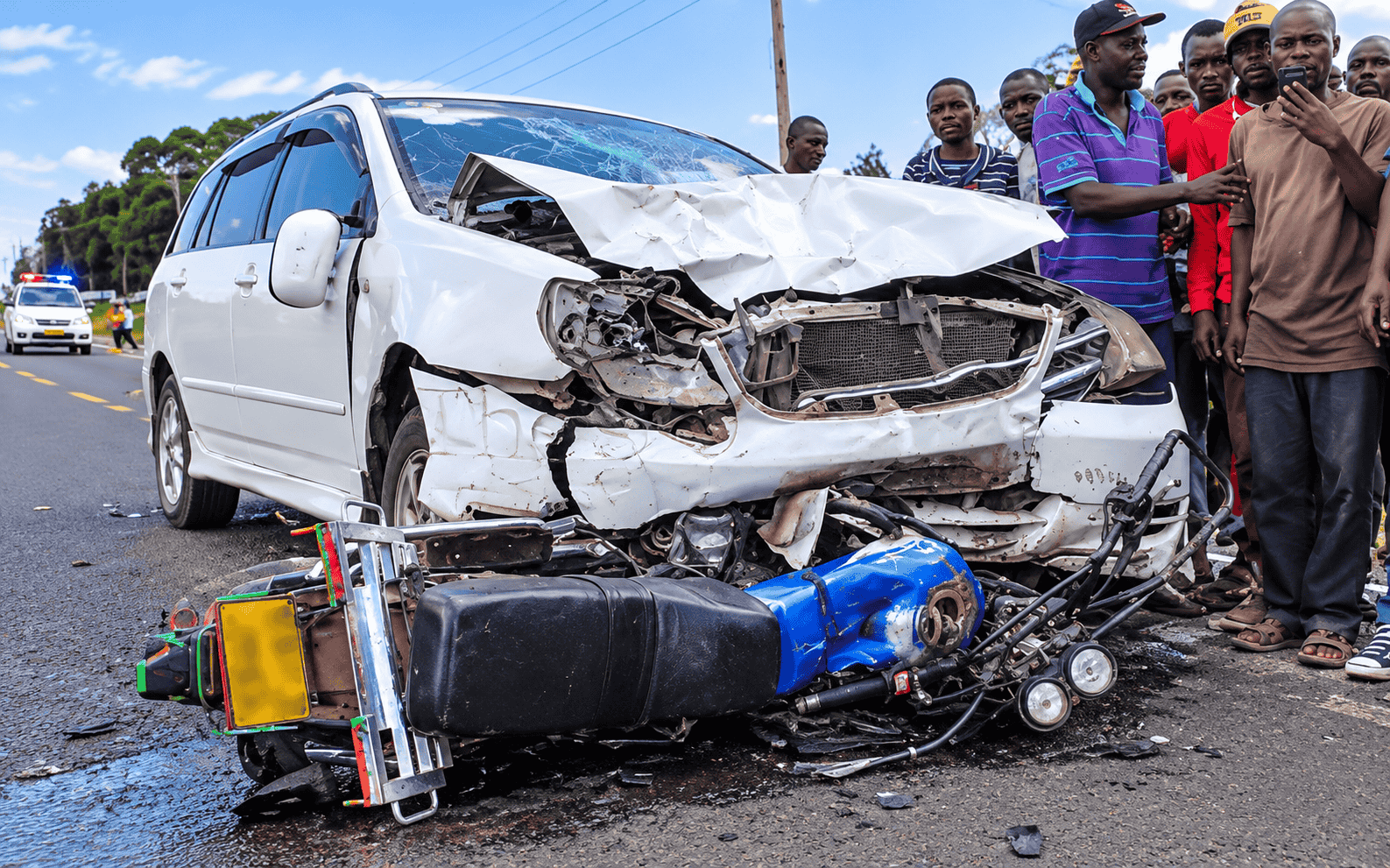
8. How Oakman helps
Guidance on accident steps, identifying the other insurer, documentation, claim submission and follow-up. Where negotiations fail, Oakman can coordinate with an appropriately qualified advocate. Outcomes are not guaranteed — liability depends on evidence, law and policy.
Frequently asked questions
If both cars have third-party insurance, who pays for the damage?
The driver established as legally responsible may be liable. Where that liability is covered under their TPPD provisions, their insurer may settle subject to terms and limits.
Can I claim if another driver hits my car and I only have third-party?
Yes — pursue the responsible driver and, where applicable, their insurer. Your own TPO does not block that claim.
Will my insurer repair my car if I am not at fault?
Ordinary third-party-only insurance does not cover accidental damage to your own vehicle.
Does a police abstract guarantee compensation?
No. It is important evidence but does not automatically establish negligence or guarantee payment.
What if passengers in both vehicles are injured?
Each passenger’s claim is assessed individually. Liability may rest with one driver or be apportioned.
What if the at-fault driver has no insurance?
Pursue the driver/owner through the legal process. Comprehensive cover can provide an alternative for own-damage if the policy responds.
Speak to Oakman about your claim
Do not abandon a legitimate claim because the process is unclear.
Related pages
General insurance education only — not legal advice. Outcomes depend on the accident facts, evidence, policy wording, statute and any court determination. Seek medical attention where needed and qualified legal advice for disputes.
